
Memorial sites
Map of memorial sites and disaster ruins
Find facilities that pass on the memory of the tsunami and the nuclear disaster. Blue: Iwate. Orange: Miyagi. Green: Fukushima.
Map: © OpenStreetMap contributors. Positions are estimates from addresses. Please check the official information of each facility before you visit. (OpenStreetMap)
Facility articles
Iwate Prefecture
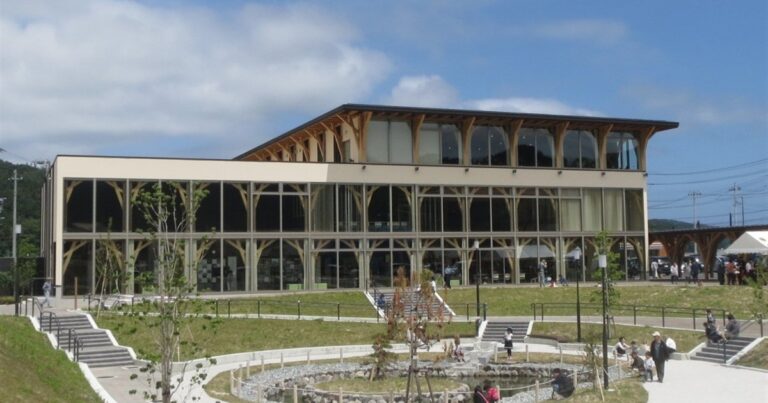
- Iwate Tsunami Memorial (Great East Japan Earthquake and Tsunami Memorial Museum)Rikuzentakata, Iwate. A facility of Iwate Prefecture that conveys the story of the Great East Japan Earthquake and Tsunami under the motto "Protect lives and live together with the sea and the land." It is located inside Takata-matsubara Tsunami Reconstruction Memorial Park.
- The Miracle Lone Pine (Kiseki no Ippon Matsu)Rikuzentakata, Iwate. The only pine tree in Takata-matsubara left standing after the tsunami of March 11, 2011. Its death from seawater damage was confirmed in May 2012, and the city carried out the "Miracle Lone Pine Preservation Project" to preserve it as a monument.
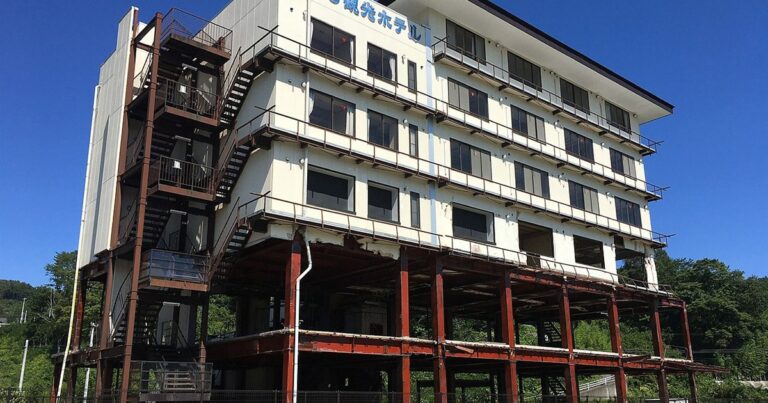
- Taro Kanko Hotel Tsunami RuinsMiyako, Iwate. A hotel built in 1986. In the 2011 tsunami, floodwater reached the fourth floor and everything up to the second floor was swept away except the pillars, yet the building did not collapse. It is preserved in its damaged state, and visitors see the interior on a "Manabu Bosai (Learning Disaster Prevention) Guide" tour.
- Miyako City Disaster Archive and Memorial HallMiyako, Iwate. A facility that collects and exhibits materials and records of disasters in the city. Its purpose is to pass the lessons of disasters on to the next generation and raise residents' disaster awareness.
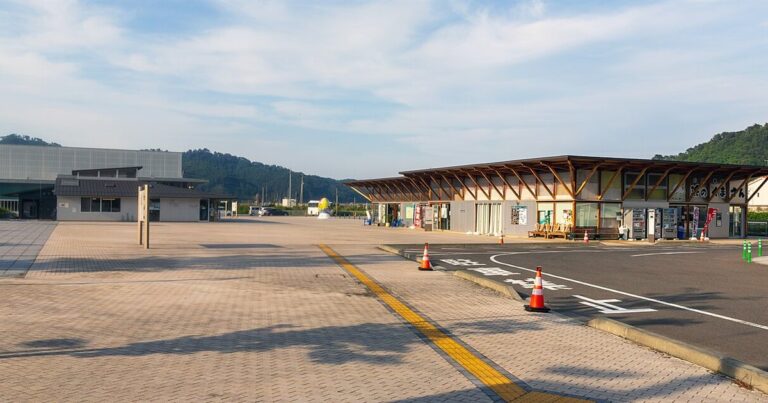
- Unosumai Tomosu "Inochi wo Tsunagu Mirai-kan" (Hall of the Future Connecting Lives)Kamaishi, Iwate. A facility that aims to pass the experience and lessons of the Great East Japan Earthquake to the next generation and protect future lives through disaster-prevention learning. It has an exhibition room, a document reading room and a disaster-prevention learning room, and the "Kamaishi Inori no Park" (Kamaishi Memorial Park) is on the same grounds.
- Otsuchi Town Cultural Exchange Center "Oshacchi" (Earthquake Memorial Exhibition Room)Otsuchi, Iwate. A town exchange facility with the motto "a third place that is neither home nor work." On the second floor is the "Earthquake Memorial Exhibition Room," where you can watch videos about the disaster. Ask the staff to play the videos.
- Yamada Town Earthquake Memorial GalleryYamada, Iwate. An exhibition conveying the realities and lessons of the Great East Japan Earthquake and the progress of reconstruction. Panels introduce the damage in each district of the town, the evacuation route taken by Funakoshi Elementary School, and the rebuilt townscape, and testimony videos are also shown.
- Ofunato City Disaster Prevention Learning Center (inside the Fishing Village Center)Ofunato, Iwate. A facility that preserves the conditions of an evacuation shelter during the Great East Japan Earthquake just as they were. It conveys the memory and lessons of the tsunami damage and also teaches preparedness for floods and landslides. Guided tours are available, and you can also look around on your own.
Miyagi Prefecture
- Miyagi Great East Japan Earthquake and Tsunami Memorial MuseumIshinomaki, Miyagi. A Miyagi Prefecture memorial facility inside Ishinomaki Minamihama Tsunami Reconstruction Memorial Park. Panels and videos convey the memory and lessons of the disaster. Allow roughly 30–60 minutes for a visit.
- Kesennuma City Great East Japan Earthquake Ruins and Memorial MuseumKesennuma, Miyagi. A memorial museum with a video theater and exhibition rooms, together with earthquake ruins: the damaged former Kesennuma Koyo High School building, preserved just as it was after the disaster. It aims to contribute to building a town with "zero tsunami deaths."
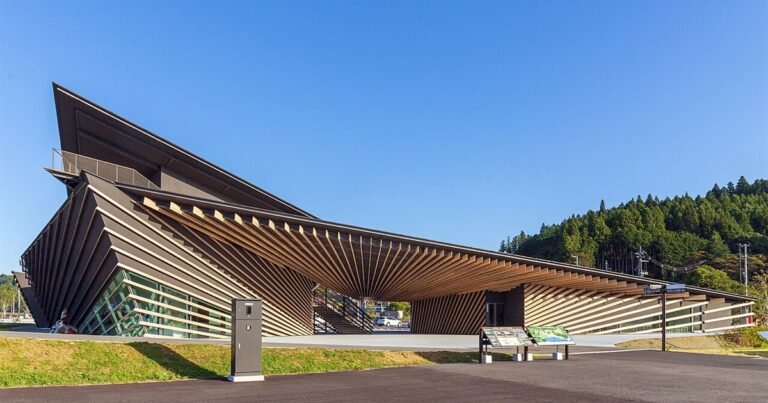
- Minamisanriku Town Great East Japan Earthquake Memorial Museum (Minamisanriku 311 Memorial)Minamisanriku, Miyagi. A facility offering learning programs in which visitors watch testimony videos from residents and think about disaster prevention. It also has an archive that collects and preserves testimonies, photographs and videos. It was designed by Kengo Kuma.
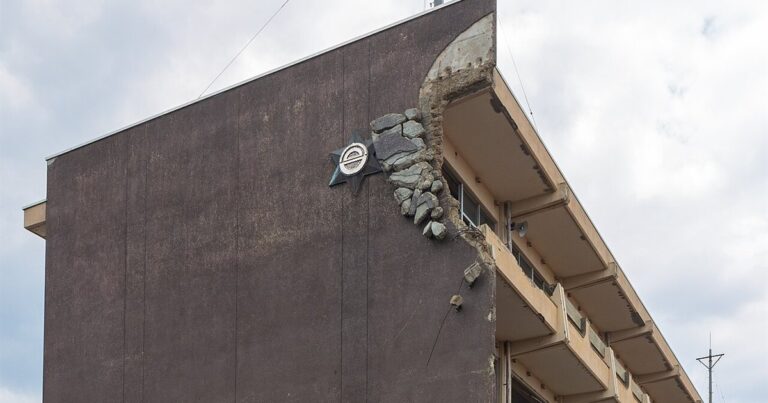
- Ishinomaki City Earthquake Ruins: Kadonowaki Elementary SchoolIshinomaki, Miyagi. Part of the school building bearing traces of the tsunami and the tsunami fire is preserved and viewed from an exterior walkway. It is said to be the only earthquake ruin in Japan that retains traces of a tsunami fire. An exhibition hall is attached.
- Ishinomaki City Earthquake Ruins: Okawa Elementary SchoolIshinomaki, Miyagi. The school building as it stood at the time can be viewed from outside the fence, and there is a flower-offering table. It is a place of mourning and remembrance, and also a place that conveys the lessons of the disaster. The Okawa Earthquake Memorial Museum is attached on the grounds.
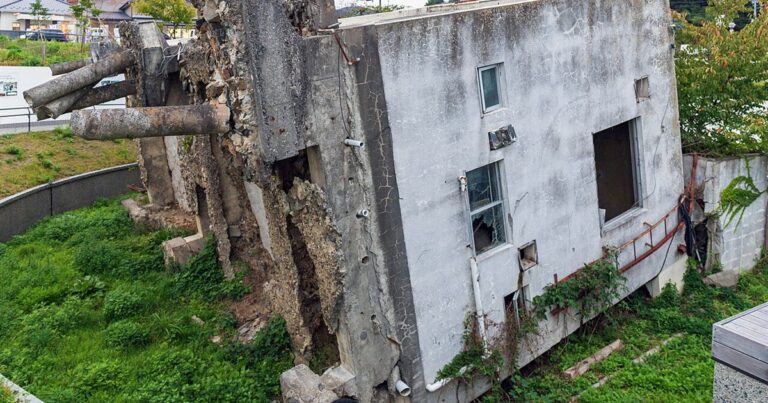
- Former Onagawa Police Box (Great East Japan Earthquake Ruins)Onagawa, Miyagi. This building is regarded as the first case in Japan of a reinforced-concrete building toppled by a tsunami. The town decided to preserve it as an earthquake ruin.
- Sendai City Arahama Elementary School Earthquake RuinsSendai, Miyagi. A facility that preserves the damaged Arahama Elementary School building as an earthquake ruin. It aims to raise visitors' awareness of disaster prevention and mitigation; the fourth floor presents the course of the tsunami damage in photographs and video (the third floor is closed to the public).
- Tsunami Reconstruction Memorial Museum "Memories of Yuriage"Natori, Miyagi Prefecture. This museum opened in 2012, the year after the disaster, at the entrance of the former Yuriage Junior High School. It offers storyteller talks and guided programs around Yuriage.
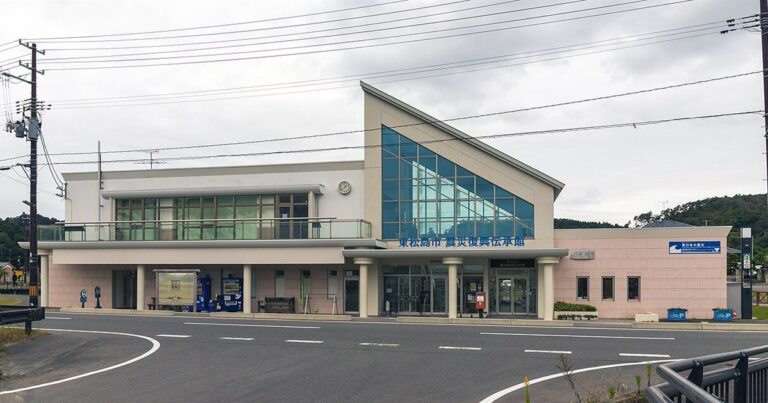
- Higashimatsushima City Earthquake Reconstruction Memorial MuseumHigashimatsushima, Miyagi. A facility that exhibits records of the earthquake and the state of reconstruction to raise disaster awareness. It also aims to mourn and pray for the victims. It is a renovated former JR Nobiru Station building.
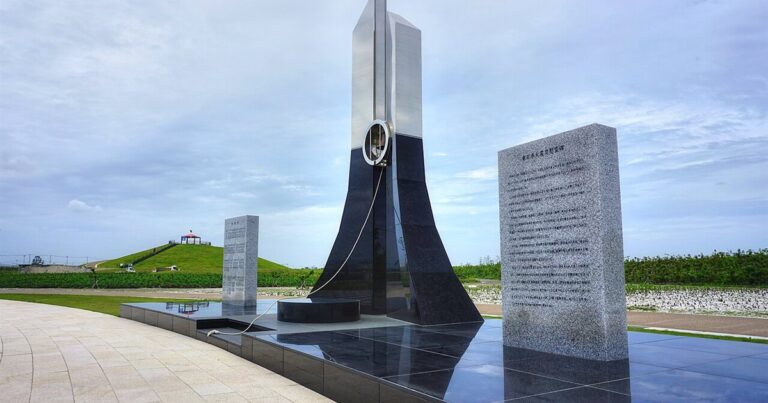
- Sennen Kibo no Oka (Hill of Hope) Exchange CenterIwanuma, Miyagi Prefecture. Ainokama Park, one of the memorial parks along the coast, has an exchange center and a memorial monument. The exchange center conveys the memory of the tsunami and the recovery through photographs, panels and video (based on a tourism information site's summary).
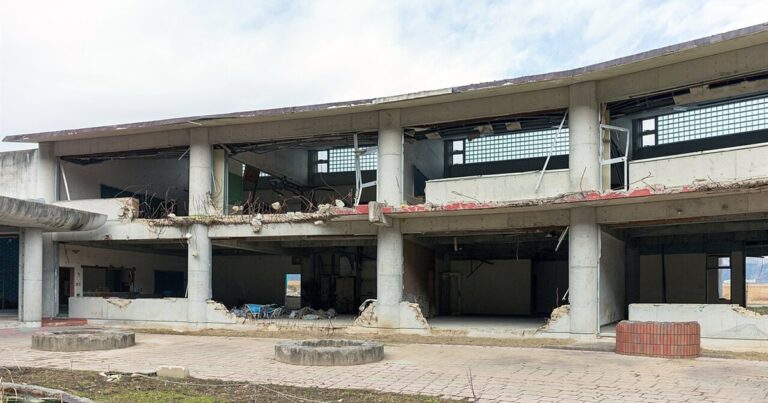
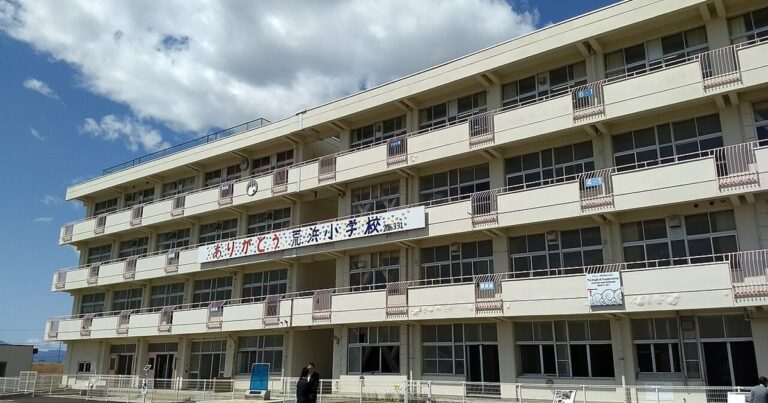
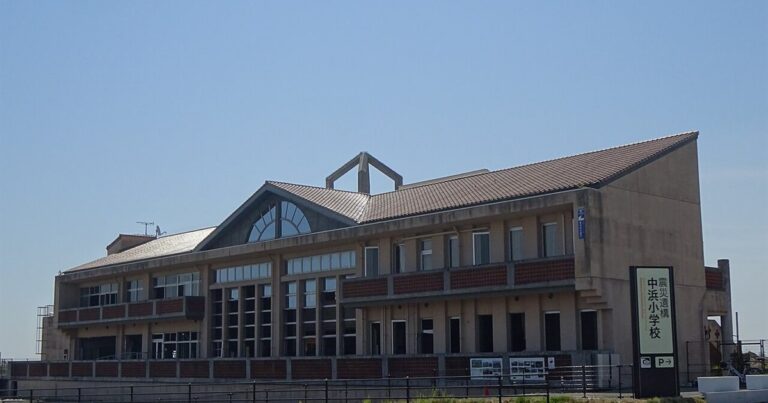
- Yamamoto Town Earthquake Ruins: Nakahama Elementary SchoolYamamoto, Miyagi Prefecture. The former Nakahama Elementary School building, where 90 children, staff and parents took refuge on the roof and survived the tsunami, is open to the public as a disaster ruin. The school closed in 2013. The town preserves and uses it as the only disaster-damaged building remaining in southern Miyagi Prefecture.
Fukushima Prefecture
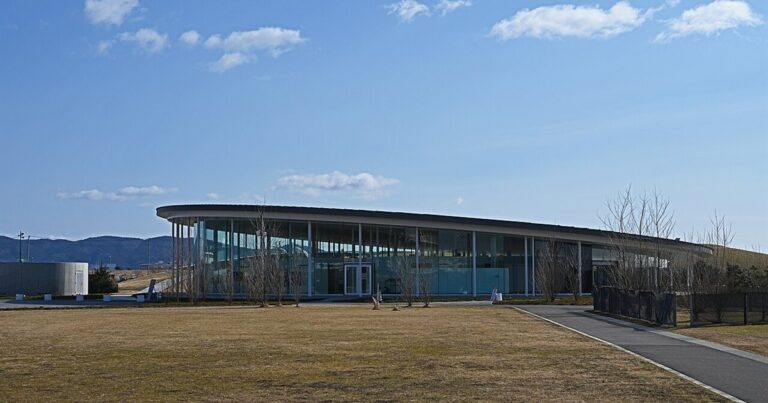
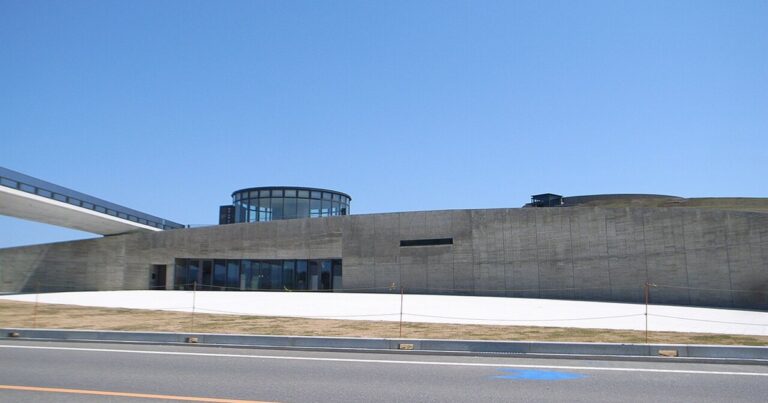
- Great East Japan Earthquake and Nuclear Disaster Memorial MuseumFutaba, Fukushima Prefecture. The museum exhibits the reality of the compound disaster of earthquake, tsunami and nuclear accident, and the path of recovery. Storyteller talks by people affected by the disaster are held four times a day.
- Fukushima Reconstruction Memorial ParkFutaba and Namie, Fukushima Prefecture. A 46.4-hectare park spanning the towns of Futaba and Namie. It consists of a national memorial and prayer facility, a multipurpose plaza, and the Nakano and Ryotake district settlements, among other areas.
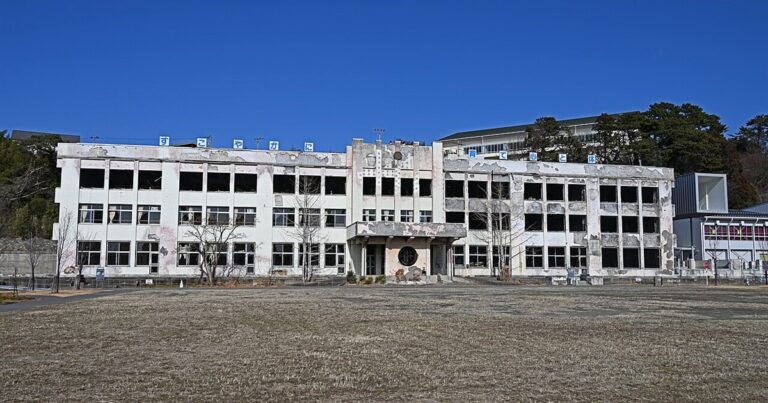
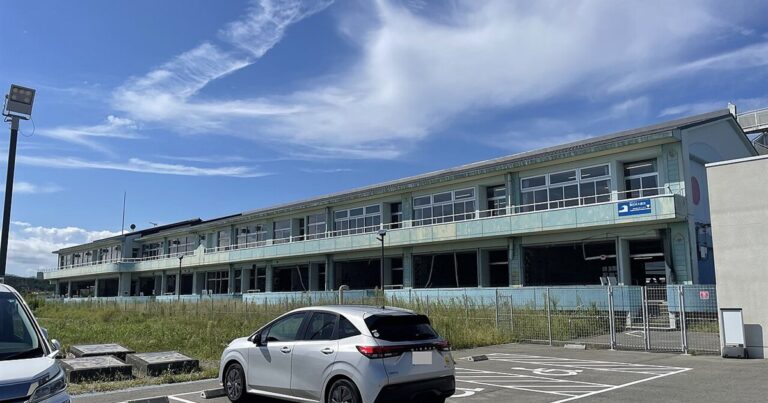
- Disaster Ruins: Namie Town Ukedo Elementary SchoolNamie, Fukushima Prefecture. The building of an elementary school founded in 1873. It was damaged by the tsunami, but all children and staff evacuated safely. The building, which escaped collapse, is open to the public as a disaster ruin.
- Iwaki Memorial Hall for the Future (Iwaki Shinsai Densho Mirai-kan)Iwaki, Fukushima Prefecture. A facility that looks back on the compound disaster of earthquake, tsunami and nuclear accident, and passes on its memory and lessons. It offers video footage of the disaster, actual exhibits from a junior high school hit by the disaster, and storyteller talks.
- Tomioka Archive MuseumTomioka, Fukushima Prefecture. A facility that conveys to future generations the history of the town and the changes in the community caused by the compound disaster. It has a town gallery, two exhibition rooms, and a storage facility holding about 50,000 items.
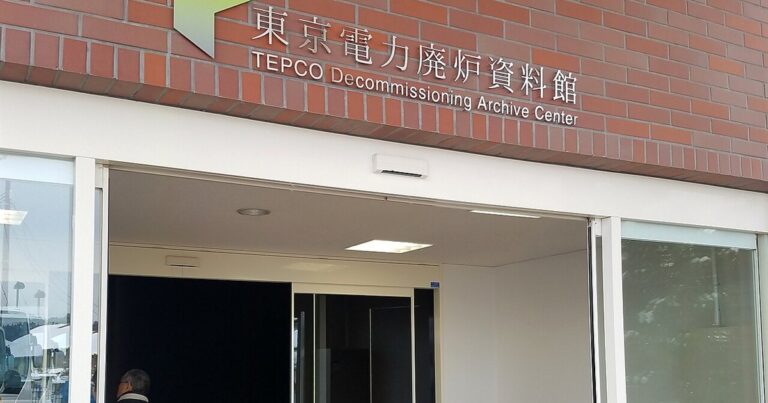
- TEPCO Decommissioning Archive CenterTomioka, Fukushima Prefecture. The center looks back on the course of the Fukushima Daiichi nuclear accident and the response to it, and explains the plans and progress of decommissioning work. It uses a theater, 3D video, a replica of the central control room, and testimony from plant staff.
- Minna no Kouryukan Naraha CANvas (Community Exchange Hall)Naraha, Fukushima Prefecture. An exchange facility designed based on opinions gathered at residents' tea-drinking workshops. It uses timber from tsunami-damaged houses and displays panels showing the town's history of disaster and recovery.
Opening hours, closing days and fees can change. Please check each facility's official website before you visit. Many of these places are also places to mourn those who lost their lives; please visit quietly. Miyagi Prefecture's tour map