
About Tohokuru
About Tohokuru
Born after the Great East Japan Earthquake from a wish to support the disaster areas; today it continues as a website.
About Tohokuru
The activities of Tohokuru as an organization have ended. Even so, we still actively guide people on where to look in the disaster areas, and support guiding visitors from overseas.
Why I started Tohokuru
Tohokuru (then called the Tohoku Disaster Recovery Tourism Association) grew out of my own work after the Great East Japan Earthquake. I, Hayato Takizawa, took two years of leave from my company, joined the Miyagi Prefecture Disaster Volunteer Center, and worked on recovery support.
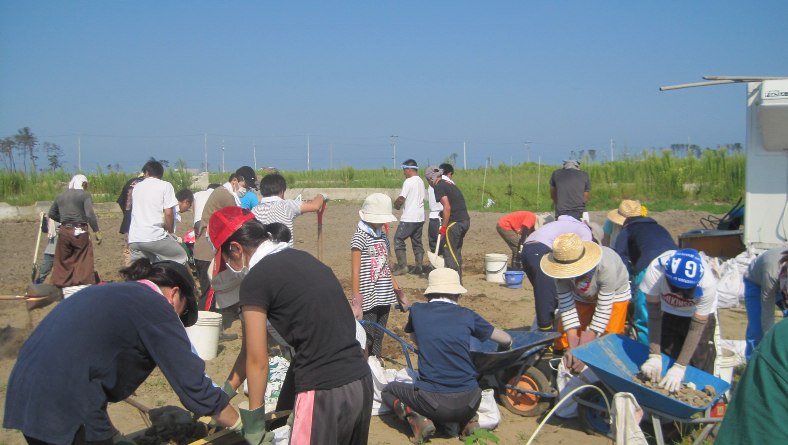
Of course it was unpaid, so I drew on my savings and kept paying social insurance and other costs while I supported the affected areas. I worked mainly at the Disaster Volunteer Center in Yamamoto, coordinating volunteers and guiding visitors around the disaster area.
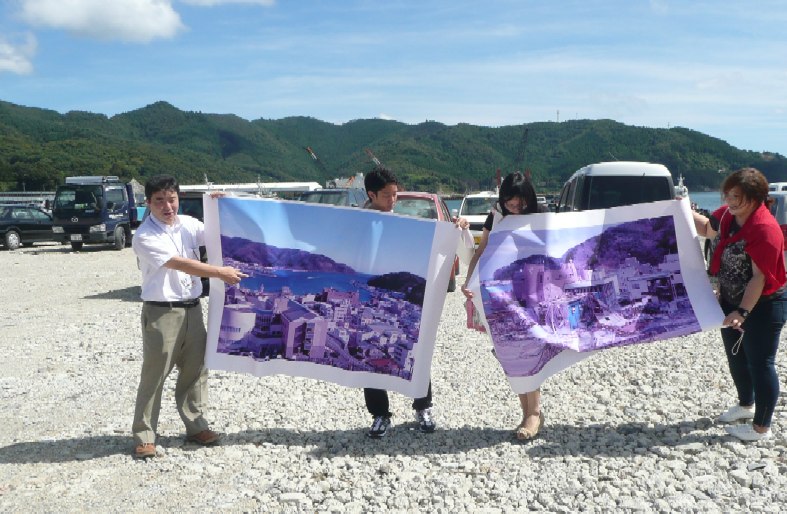
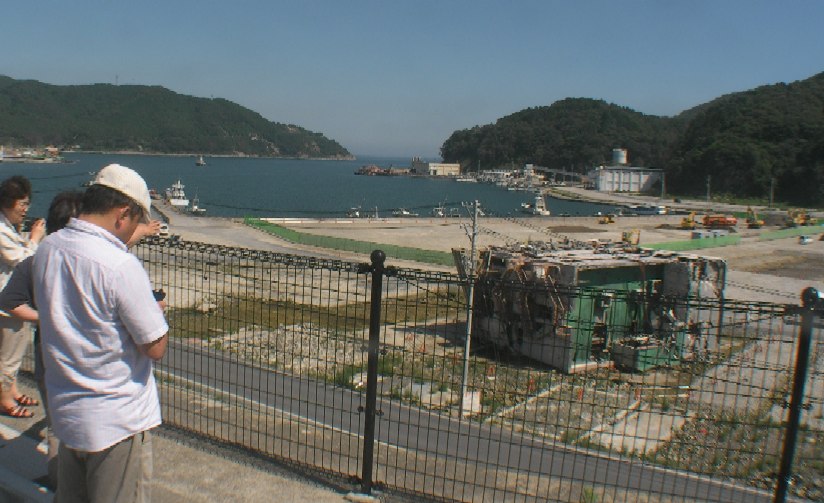
While guiding people, I felt that the memory of the disaster was fading and that it was becoming hard to know how things had looked before. I showed what the area was like before and how far the tsunami had reached with PowerPoint slides and posters. I thought that many others must be visiting with the same feelings, and that there should be something that conveys more. That is why I started making a guidebook.
Visitors, supporters and recovery groups all said the same thing: "We wish there were a guidebook to the recovery sites."
Guiding people through the local damage is not sightseeing, so tourism associations hesitated, and the government, thinking of the people affected, would not actively guide visitors either. I felt that this was the role of an NPO, an intermediary organization. I had worked in an international cooperation NGO and strongly felt the role of NPOs that work between the government and citizens.
"More people to the disaster areas!"
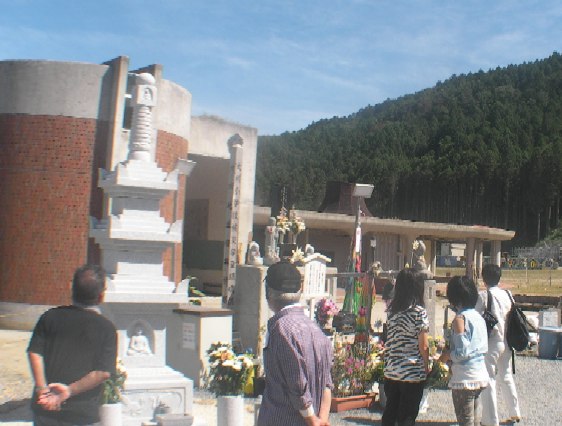
I started this with the thought, "More people to the disaster areas!" I believed that visiting the recovery sites, seeing and learning about them, helps keep interest in the affected areas alive and keeps support going. So I have introduced Tohoku's disaster-recovery tourism.
Where the name comes from
The name "Tohokuru" comes from the Japanese for "come to Tohoku".
Today
We no longer operate as an organization. Today "Tohokuru" continues as a website that shows how Tohoku is recovering. If you would like advice on where to look in the disaster areas, or how to guide visitors from overseas, please get in touch through Contact.
I hope that as many people as possible will visit the recovery sites and feel the present of recovery with their own eyes.
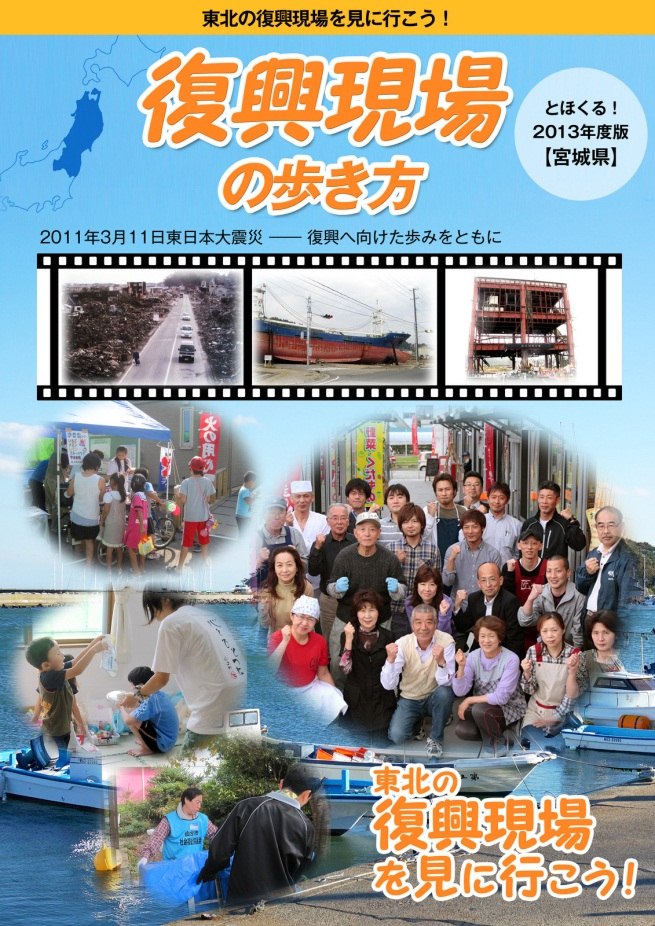
Something we made: the guidebook "Fukko Genba no Arukikata" (Walking the Recovery Sites)
In 2013 we visited 15 towns and cities along the Miyagi coast and made the guidebook "Fukko Genba no Arukikata, 2013 edition (Miyagi)". It is A4 size and 130 pages. It collects photos from before and after the disaster, the locations of recovery shopping streets with their goods and closing days, and flooded areas on maps, and introduces recovery goods such as handicrafts made by women living in temporary housing. The maps carry QR codes so that readers can view the latest map data on a smartphone.
This guidebook is sold out and no longer on sale. We keep this page as an introduction to what we made.
Award
- Revive Japan Cup, 2013 (organized by the Reconstruction Agency) — won the Runner-up Grand Prize.
In the media
- Kahoku Shimpo (evening edition, 2 March 2013) — the series “Saisei Sendai: Hito Moyo” featured our work on a guidebook for the disaster areas.
- Kahoku Shimpo (1 July 2013) — under the headline “Seeing the recovering sites on foot”, it reported the completion of “Fukko Genba no Arukikata, 2013 edition”.
- Nippon Television “NEWS ZERO” — featured Tohokuru in the corner “Sakurai Sho Ichimen!”.
What this website offers
- Recovery in numbers, from public data
- Places worth seeing in each area
- New developments in recovery (recovery news)
About the operator
- Name
- Tohokuru (a website introducing Tohoku disaster-recovery tourism)
- Supported by
- Public Action Office
- Representative
- Hayato Takizawa
- Address
- 〒980-0811 宮城県仙台市青葉区一番町4-1-3
仙台市市民活動サポートセンター LC128 - Contact
- Contact